
Swift Solutions for Toilet Overflows
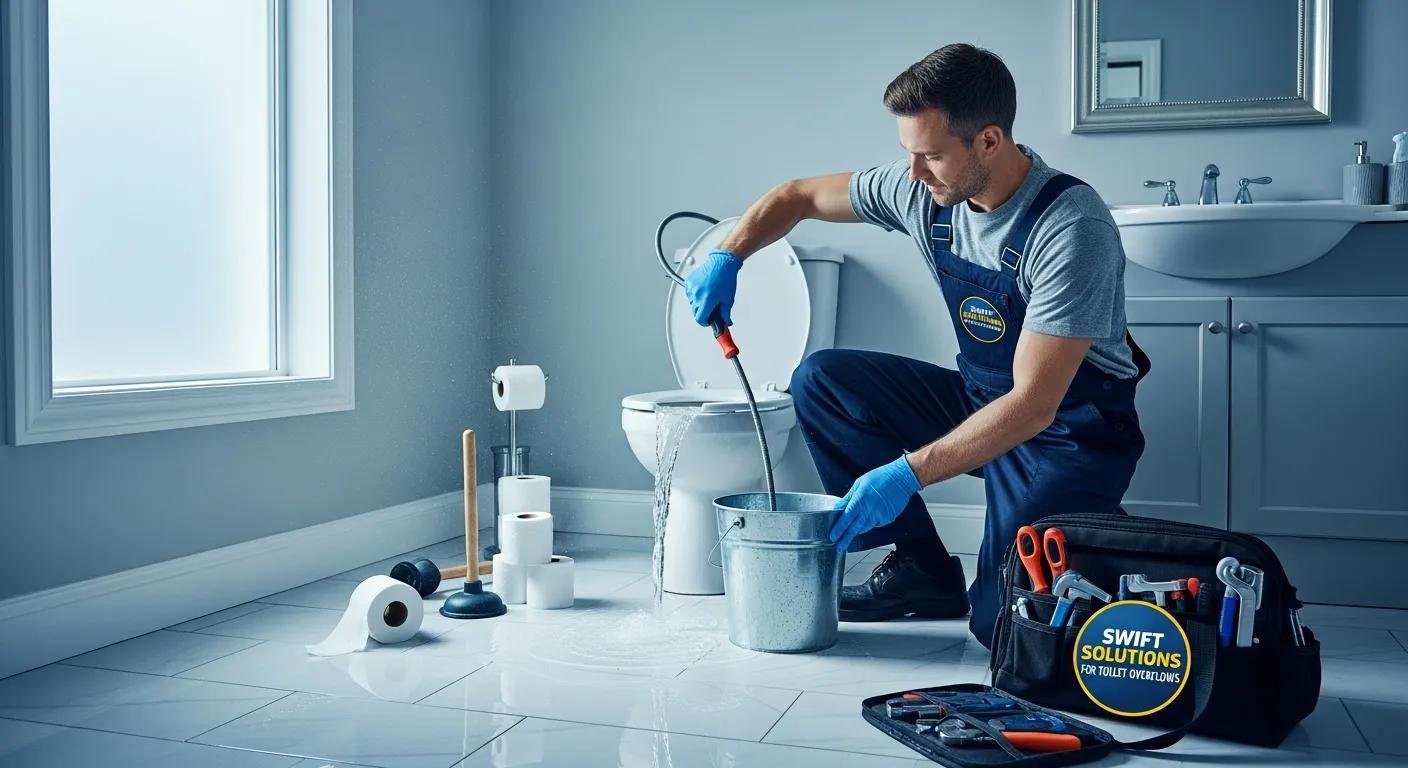
An overflowing toilet is an urgent plumbing emergency that can cause immediate water damage, contamination, and structural risk if not stopped and repaired quickly. This guide teaches you how to stop a toilet from overflowing right away, diagnose common causes such as clogs, faulty tank parts, or main sewer issues, and decide when to escalate to professional emergency help. You will get clear, step-by-step HowTo actions for immediate control, a cause-to-symptom decision table, and practical cleanup and prevention strategies that reduce recurrence and long-term costs. The article also explains which scenarios require camera inspection, hydrojetting, or augering, and how fast-response emergency plumbing coordinates mitigation and repairs. Read on to learn immediate steps, cause diagnostics, clear rules for calling a 24-hour emergency plumber, the emergency services offered by Great American Plumbing & Drain Cleaning, prevention tips, cleanup protocols, and where to find reliable local emergency response in Broward and Palm Beach Counties.
How Do You Immediately Stop a Toilet from Overflowing?
Stopping an overflowing toilet immediately requires three coordinated actions: stop incoming water, prevent further bowl refill, and relieve pressure from the trap or drain. Turning off the shut-off valve halts water supply, manually closing the flapper prevents tank overflow into the bowl, and controlled plunging or bucket transfer can relieve standing water and help clear a minor clog. These measures reduce water damage and contamination risk while you assess whether a professional intervention is needed.
The sequence below is optimized to buy time safely and limit structural or sanitary consequences.
How to Turn Off the Water Supply Valve to Prevent Flooding
Locate the toilet shut-off valve near the base or behind the toilet and rotate it clockwise until it stops; this closes the water feed and prevents additional water filling the tank or bowl. If the valve is stiff, use an adjustable wrench on the valve stem and turn slowly to avoid breakage; if the valve fails or there is no local shut-off, close your home’s main water supply immediately to stop flow. Turning off the valve reduces ongoing overflow and gives time to work on the clog or wait for professional help. After stopping the water flow, check the tank to confirm it is no longer refilling before attempting plunging or opening the tank lid.
What Is the Best Way to Manually Close the Toilet Flapper?
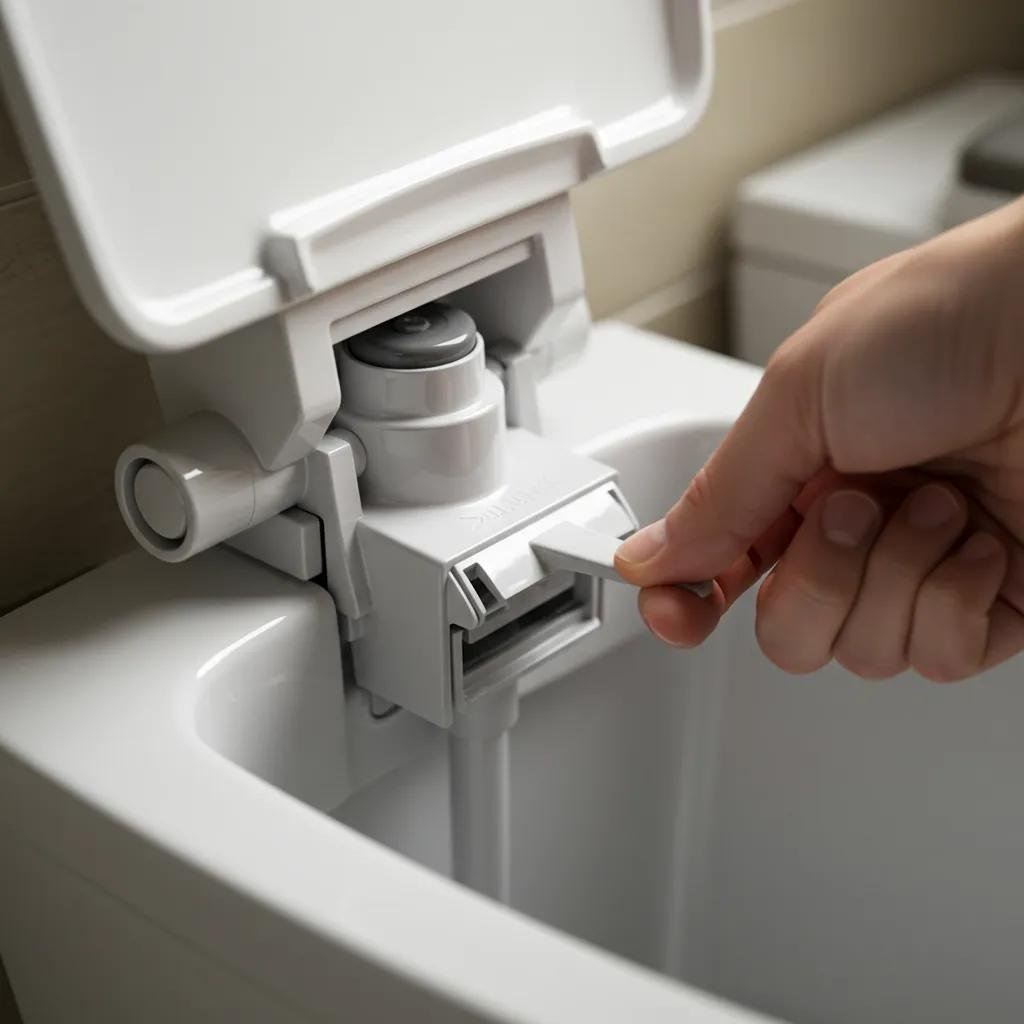
Open the toilet tank lid carefully and identify the flapper, which covers the flush valve at the bottom of the tank; press the flapper down and hold it closed or pinch the chain to keep it seated until the bowl level stabilizes. Manual closure prevents additional water from entering the bowl from the tank and can stop an active overflow while you prepare to plunge or call for help. Use caution to avoid dropping the lid or tools into the tank, and never force components that are corroded or brittle. Holding the flapper closed is a temporary tactic; if flapper failure caused the problem, plan a replacement or professional diagnosis.
How Can You Use a Plunger to Clear Minor Toilet Clogs?
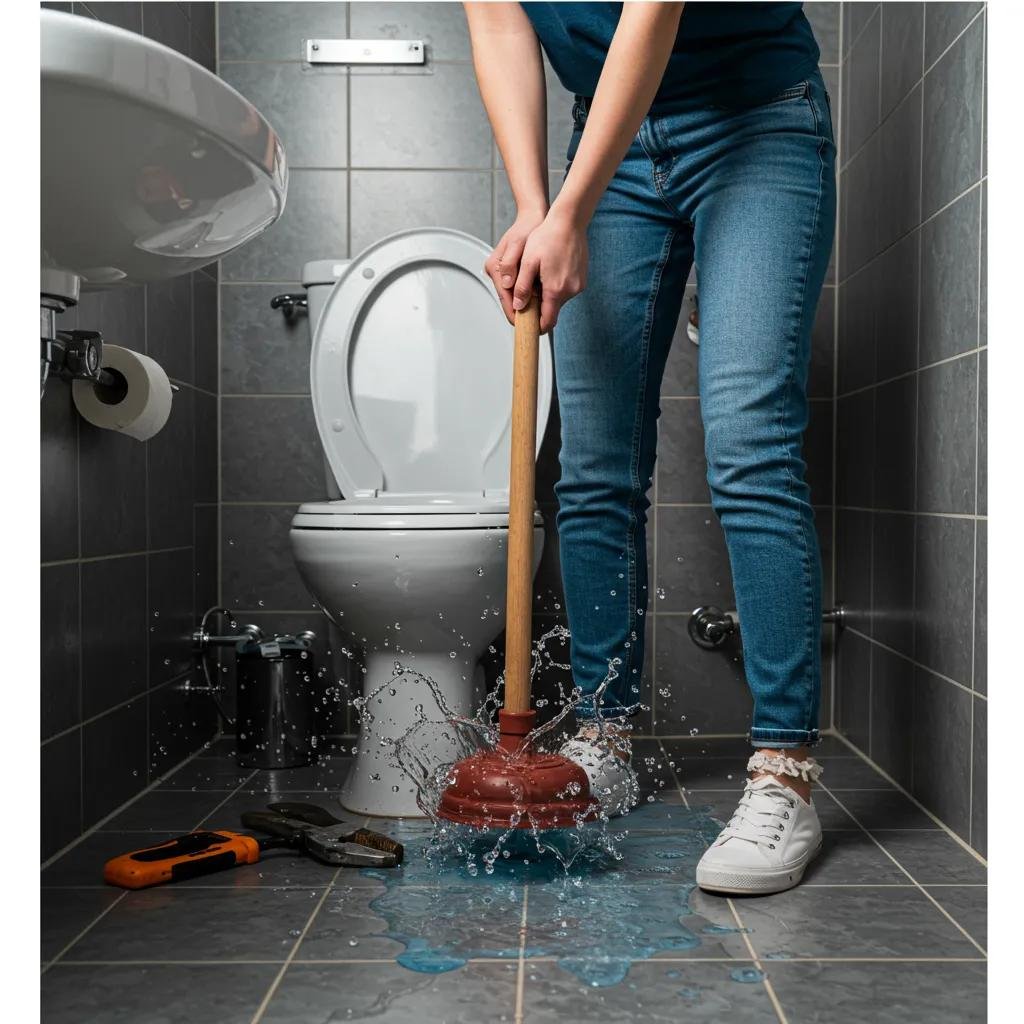
A flange plunger creates a seal over the bowl outlet so you can generate direct pressure to dislodge soft or localized clogs; position the flange to fill the trap opening, push down gently to expel air, then pump in controlled strokes rather than violent blows. Test progress every 10–15 pumps by lifting the plunger slightly to let water move; successful plunging will gradually lower the bowl level and clear the obstruction. If water continues to rise, stop plunging to avoid splashing contaminated water and move to shut-off or call an emergency plumber. Correct plunging relieves minor blockages and reduces the need for mechanical tools, but it is ineffective for downstream or severe mainline clogs.
When Should You Avoid DIY and Call a Professional Plumber?
Avoid DIY and contact a professional immediately if you detect sewage smells, multiple fixtures backing up, inability to stop inflow, or if plunging fails after multiple careful attempts. These red flags suggest a deeper blockage, main sewer line issue, or mechanical failure that requires tools like a camera inspection, auger, or hydrojet to diagnose and clear safely. Professionals also reduce water-damage risk by containing contamination and advising on restoration steps. If you need urgent response, contact a local 24/7 emergency plumbing service; for example, Great American Plumbing & Drain Cleaning provides rapid dispatch for overflow emergencies and can mobilize technicians to secure the scene and begin diagnostics.
What Are the Most Common Causes of Toilet Overflow and Flooding?
Toilet overflow typically stems from a small set of root causes: localized clogs in the toilet trap or drain line, mechanical failures inside the tank (flapper, fill valve), main sewer line blockages, or vent pipe obstructions that impede drainage airflow. Each cause produces distinct symptoms—gurgling or multiple fixture backups point to sewer or vent issues, while continuous running suggests a tank component failure—so matching symptoms to cause speeds correct remediation. Understanding these mechanisms helps you prioritize safe immediate actions and select the right professional remedy when necessary.
Different causes produce predictable symptoms and require targeted responses.
This table clarifies when a simple DIY step suffices and when specialist equipment and diagnostics are required to restore safe operation.
How Do Severe Clogs and Blockages Lead to Toilet Overflow?
Severe clogs trap waste or foreign objects beyond the toilet trap, preventing normal flow into the drain and causing water to rise in the bowl and potentially overflow. Clogs can occur in the toilet trap, the building’s drain line, or the main sewer and are often caused by non-flushable items, excessive paper, or roots and grease further down the line. When the obstruction is downstream of the toilet trap, plunging frequently fails because pressure cannot reach or dislodge the blockage; in those cases, a drain auger or hydrojetting is necessary. Recognizing the likely location of the clog helps determine whether you can safely proceed with DIY methods or need professional intervention.
What Role Does a Faulty Fill Valve or Flapper Play in Overflow?
A faulty fill valve or worn flapper can let water continuously flow into the bowl or overfill the tank, which in turn causes repeated or sudden overflow events. Symptoms include an endlessly running toilet, a tank that won’t fill properly, or sudden surges of water into the bowl after flushing. Quick tests include lifting the tank lid to observe whether the fill valve shuts at the correct level and whether the flapper seats properly; temporary measures include holding the flapper closed or shutting the supply valve. If replacement parts are needed, a licensed technician can match parts and install them to manufacturer tolerances to prevent future overflow.
How Can Main Sewer Line Blockages Cause Toilet Flooding?
A blocked main sewer prevents wastewater from exiting the property, causing sewage to back up into the lowest fixtures—often toilets, showers, and floor drains—resulting in simultaneous overflows across the building. Common causes include root intrusion, accumulated grease, collapsed pipe sections, or severe scale buildup. Professionals use camera inspection to locate the exact cause and position of the blockage and then choose targeted solutions such as hydrojetting for grease and roots or trenchless repair for structural damage. Multiple affected fixtures is the key diagnostic sign that indicates the problem is beyond a single-toilet clog.
Why Does a Blocked Plumbing Vent Pipe Result in Overflow?
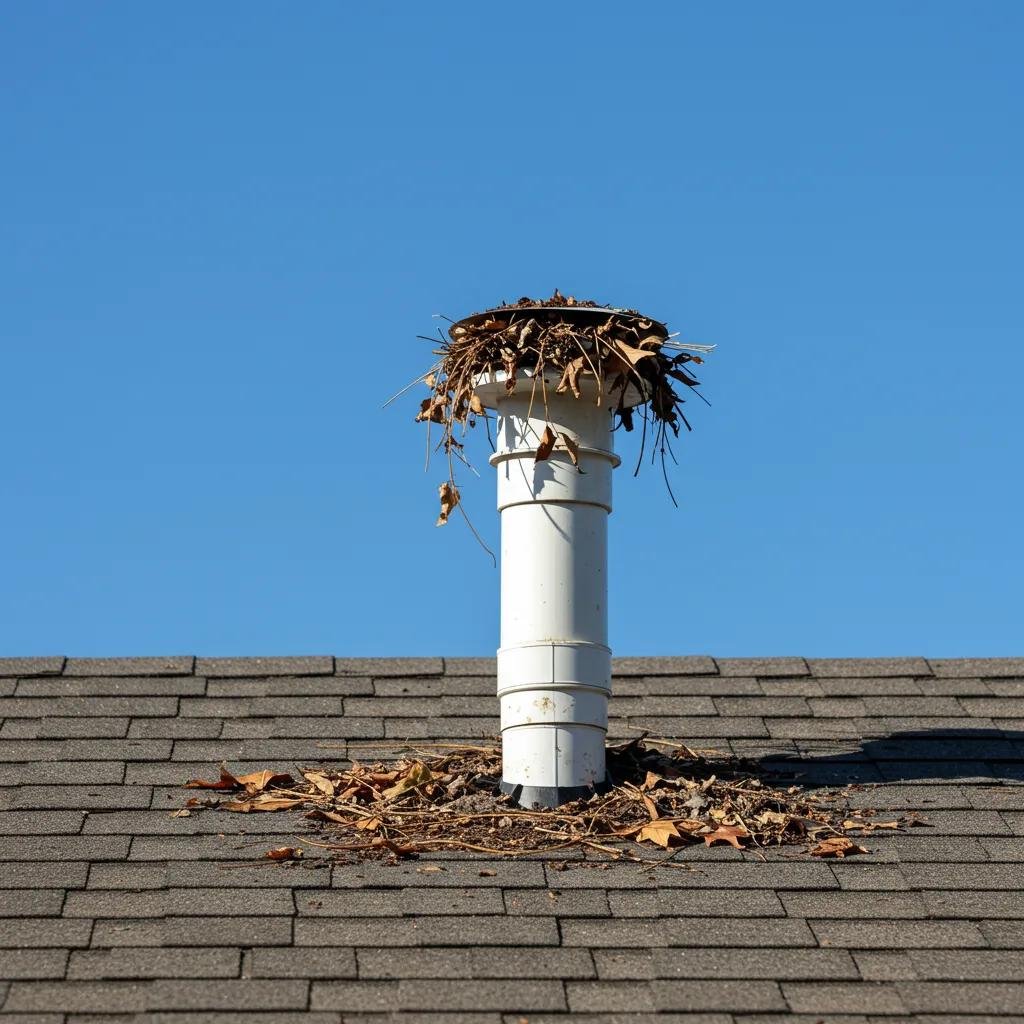
Plumbing vent pipes allow air into the drain system to balance pressure and enable smooth drainage; when vents are blocked by debris, leaves, or bird nests, traps can siphon or drain slowly, producing gurgling and slow flushing that increase overflow risk. Vent blockage starves the system of air, causing pressure differentials that impede flow and let water back up into fixtures. Diagnosing vent issues often involves rooftop inspection and clearing by a professional due to safety concerns and access needs. Clearing or repairing vents restores proper airflow and reduces recurring slow-drain symptoms that precede overflow.
When Should You Call a 24 Hour Emergency Plumber for Toilet Overflow?
Call a 24-hour emergency plumber when immediate, lasting control is not possible with safe DIY steps, when there’s evidence of sewer contamination, or when multiple fixtures indicate a mainline failure. Emergency dispatch is appropriate if you cannot stop the flow, if sewage is present, if flooring or structural materials are soaking, or if plunging and basic tank fixes fail. Fast professional intervention reduces water-damage timelines and mold risk, and provides diagnostic clarity using cameras and high-pressure equipment.
Use this checklist to decide whether to escalate to emergency professional help.
- Multiple fixtures are backing up or gurgling after a single flush.
- Sewage or foul odors are present in the home, indicating contaminated water.
- Water is spreading to flooring, cabinets, or structural elements and cannot be contained.
- Repeated overflows occur despite turning off the valve and attempting safe plunging.
This checklist clarifies common escalation triggers so you can call for help with confidence and reduce downstream damage.
The table provides a quick decision path that aligns likely scenarios with the correct professional response, helping homeowners choose urgency levels.
Great American Plumbing & Drain Cleaning is positioned as a recommended resource for these emergency scenarios, offering licensed and insured technicians, upfront estimates, and rapid-response availability in the local area. If you face persistent backups, sewage contamination, or structural water risk, contacting an emergency plumbing service that can deploy diagnostic cameras and high-pressure cleaning or repairs is the safest path. These professional capabilities match the needs identified in the table and reduce the chance of repeated flooding.
What Are the Signs of Persistent Clogs and Backups Needing Expert Repair?
Persistent clogs present as repeated backups after plunging, slow drains across multiple fixtures, and foul sewer smells that return within hours or days of initial clearing attempts. These signs usually indicate a blockage beyond the immediate toilet trap, such as a midline or mainline obstruction that requires mechanical augering or hydrojetting. A professional camera inspection both confirms the blockage location and informs the choice of repair technique, preventing unnecessary digging or part replacements. Early professional diagnosis avoids repeated emergency visits and reduces total repair costs by targeting the root cause.
How Do Multiple Fixture Issues Indicate a Serious Plumbing Emergency?
When sinks, tubs, floor drains, and toilets back up together, the symptom pattern pinpoints the problem to the building’s primary drain or municipal connection rather than a single fixture. This multi-fixture failure can stem from mainline collapse, severe tree-root intrusion, or municipal sewer blockages and typically requires heavy-duty equipment to clear or repair. A technician will prioritize camera inspection to locate the issue and then recommend hydrojetting, sectional replacement, or trenchless repair depending on severity. Recognizing multi-fixture involvement prevents wasted DIY effort on individual fixtures and expedites systemic remediation.
When Is Suspected Sewer Line Damage a Plumbing Emergency?
Suspected sewer line damage becomes an emergency when persistent backups coexist with visible yard sinkage, sewage surfacing outdoors, or strong persistent odors indicating pipe breach. These structural signs suggest a compromised sewer that may worsen rapidly and pose environmental and health hazards. Emergency response typically involves inspection with a camera and rapid containment, then selecting trenchless repair versus excavation based on location and pipe condition. Immediate professional action limits property harm and assists documentation for insurance and municipal coordination.
How Does Water Damage Risk Affect the Need for Professional Help?
Water damage from overflows accelerates from surface wetting to structural and mold problems within 24–48 hours, particularly on porous flooring and subfloors; therefore, rapid extraction and drying are essential to mitigate long-term costs. Professionals can implement containment, water extraction, and drying protocols and coordinate with water-damage restoration specialists when contamination or structural saturation is present. Waiting to call for professional mitigation increases the likelihood of mold remediation, structural repairs, and higher insurance claims. Timely professional response both restores plumbing function and reduces cumulative restoration expenses.
Emergency Toilet Overflow Repair: Immediate Solutions and Steps
Great American Plumbing & Drain Cleaning provides emergency toilet overflow repair services designed to stabilize the situation quickly, diagnose underlying causes, and implement long-term solutions while coordinating mitigation for water damage. Core emergency offerings include rapid dispatch and onsite triage, advanced diagnostics such as camera inspection, mechanical augering, and hydrojetting for stubborn blockages, plus on-the-spot part replacement for tank components. The company emphasizes licensed, insured technicians, upfront estimates, and reliability for Broward and Palm Beach Counties.
Below is a concise comparison of emergency services, tools used, and expected outcomes.
This table helps homeowners anticipate both the diagnostic steps and the practical outcomes for emergency toilet repair work.
How Does 24/7 Rapid Response Ensure Fast Overflow Repair?
Rapid-response protocols prioritize immediate guidance over the phone, dispatching licensed technicians with tools for containment, diagnostic cameras, and clearing equipment to minimize on-site time and damage. Upon arrival, technicians perform triage—confirming shut-off, containing contamination, and using camera inspection to target the source—followed by the appropriate repair method with an upfront estimate and clear scope of work. Customers should expect transparent explanations of findings and an outline of next steps, which streamlines decision-making during a stressful emergency. Rapid response both protects the property and limits escalation to costly water-damage repairs.
What Advanced Diagnostics and Repair Techniques Are Used?
Technicians choose from a set of advanced diagnostics and repair techniques based on camera findings and symptom patterns: CCTV camera inspection to locate blockages or breaks, hydrojetting to clear roots and heavy debris, augering for localized obstructions, and targeted part replacement for tank failures. Each technique has tradeoffs—hydrojetting is effective for extensive buildup but requires professional operation, while augering is fast for nearby clogs but not suitable for root-filled or collapsed lines. Understanding these options helps homeowners accept a recommended plan and anticipate realistic timeframes and results.
How Is Water Damage Mitigation Handled During Toilet Overflow Repairs?
On-site mitigation includes containment measures, temporary extraction of pooled water, and documentation of conditions for insurance purposes; technicians can also recommend or coordinate with water-damage restoration specialists when contamination or structural wetting is evident. Proper mitigation speeds drying, reduces mold risk, and preserves finishes and structural elements. Technicians document the scene, provide repair receipts and condition notes, and advise on restoration steps to simplify insurance claims. Early professional mitigation is tightly linked to lower long-term repair costs and faster recovery of living spaces.
How Can You Prevent Future Toilet Overflows and Flooding?
Preventing future overflows relies on consistent flushing habits, scheduled maintenance, and proactive replacement of worn tank components. Simple household rules reduce clog risk, while periodic professional drain cleaning and inspection prevent buildup and detect developing issues early. Implementing a routine check of shut-off valves and tank parts and scheduling preventive hydrojetting or camera checks for older lines reduces emergency incidence and long-term plumbing expenses.
Key preventive actions homeowners can adopt include:
- Follow flushing rules: Only flush human waste and toilet paper to avoid clogs from wipes or foreign objects.
- Schedule regular maintenance: Annual or biennial drain inspections and cleanings reduce buildup and catch early problems.
- Monitor tank components: Inspect flappers, fill valves, and shut-off valves regularly and replace them when performance degrades.
What Are Proper Flushing Habits to Avoid Toilet Blockages?
Proper flushing habits mean flushing only human waste and toilet paper and avoiding wipes, feminine products, grease, or small objects that can obstruct traps and drain lines. Households with children or guests should post visible reminders and supply covered waste bins to prevent accidental flushing of non-flushables. When in doubt, double-flushing or using less paper reduces the risk of partial clogs in older low-flow systems. Consistent habits are the first line of defense and significantly reduce the need for emergency interventions.
Why Is Regular Plumbing Maintenance Important for Overflow Prevention?
Regular maintenance identifies worn parts, failing shut-off valves, and progressive drain buildup before they cause emergency overflows; tasks include inspecting tank components, exercising shut-off valves, and scheduling preventive drain cleaning. Periodic camera inspections of mainlines in older properties can detect root intrusion and early collapse signs that lead to backups. Proactive service reduces emergency callouts, spreads repair costs over time, and preserves indoor air quality and structural integrity. Investment in maintenance is often less costly than repeated emergency repairs and restoration work.
How Do You Clean Up After a Toilet Overflow and Minimize Water Damage?
Cleaning up after a toilet overflow requires safe containment, removal of contaminated water, disinfection, and rapid drying to reduce health risks and structural damage. Immediate steps include wearing PPE, avoiding electrical hazards, removing saturated porous materials when contamination is sewage, and beginning extraction and drying. For contaminated incidents or large affected areas, professional water-damage restoration provides extraction, drying equipment, and air quality controls to prevent mold growth. The cleanup sequence below presents prioritized actions for homeowners and criteria for when to call restoration specialists.
What Are the Best Practices for Toilet Overflow Cleanup?
Begin cleanup by wearing gloves, eye protection, and boots, and avoid contact with contaminated water; shut off electricity to the affected area if electrical outlets or devices are wet. Remove standing water with buckets or a wet vacuum if available, then clean hard surfaces with detergent followed by a disinfectant rated for sewage contamination. Porous materials such as carpet padding, upholstered items, and soaked drywall often require removal and replacement to prevent mold. Document damage with photos for insurance and, when contamination is severe, engage professional restoration to ensure safe remediation.
When Should You Consider Professional Water Damage Restoration?
Consider professional restoration if sewage contamination occurred, if the affected area exceeds a small room, if structural elements or insulation are saturated, or if more than 24–48 hours have passed since the overflow. Restoration professionals bring industrial drying equipment, moisture meters, and containment protocols that reduce mold risk and restore indoor environmental quality more completely than DIY methods. Early engagement of restoration reduces long-term repair expenses and improves the likelihood that finishes and structures can be salvaged. If in doubt, consult a licensed water-damage professional for an assessment.
Where Can You Find Reliable 24 Hour Toilet Plumbing Service in Broward and Palm Beach Counties?
Reliable 24-hour toilet plumbing service in Broward and Palm Beach Counties is available through local licensed and insured providers who offer emergency dispatch, on-site diagnostics, and transparent estimates. When selecting a provider, verify licensure and insurance, ask about emergency response protocols and diagnostic tools like camera inspection, and confirm upfront estimate practices and satisfaction guarantees. Great American Plumbing & Drain Cleaning is a local emergency plumbing option that lists licensed and insured technicians, upfront estimates, and rapid-response emergency repair across Broward and Palm Beach Counties. The final H3s below describe local service expectations and how to use customer reviews to choose a provider.
How Does Great American Plumbing Serve Broward and Palm Beach Areas?
Great American Plumbing & Drain Cleaning operates locally in Broward and Palm Beach Counties, deploying licensed technicians who perform emergency toilet repairs, camera inspections, hydrojetting, augering, and tank-part replacements with upfront estimates and professional documentation. Customers can expect emergency triage on arrival—shut-off, containment, diagnosis—and clear explanations of recommended repairs and timelines. The company emphasizes licensed and insured staff and aims for fast, reliable service to limit water-damage escalation. For urgent toilet overflow incidents in the local area, calling a recognized local emergency plumbing provider reduces response time and coordinates repairs with restoration professionals when needed.
What Are Customer Reviews and Satisfaction Ratings for Emergency Toilet Repair?
Customer reviews and satisfaction ratings provide real-world insight into response times, communication, and the quality of emergency repairs; checking recent reviews helps set expectations for arrival windows and follow-through. Rather than relying on single anecdotes, look for patterns in reviewer comments about timeliness, clarity of estimate, and thoroughness of cleanup or mitigation. It is advisable to request references or photos of prior emergency repairs when considering a provider for major work. For current assessments of any local emergency plumbing company, consult up-to-date review listings and ask the provider for references and documentation of licensing and insurance.
Sewer Monitoring Methods for Clogged Pipes and Manhole Overflows
Clogging of sewers is a frequent problem in large cities, entailing overfilling of manholes with sewage and disruption of the whole sewage system. Today, there are several methods for monitoring sewers: visual, acoustic and laser. Each method is represented by a wide range of devices with different characteristics and applications.
A multi-criteria analysis of sewer monitoring methods for locating pipe blockages and manhole overflows, A Aniskin, 2021