
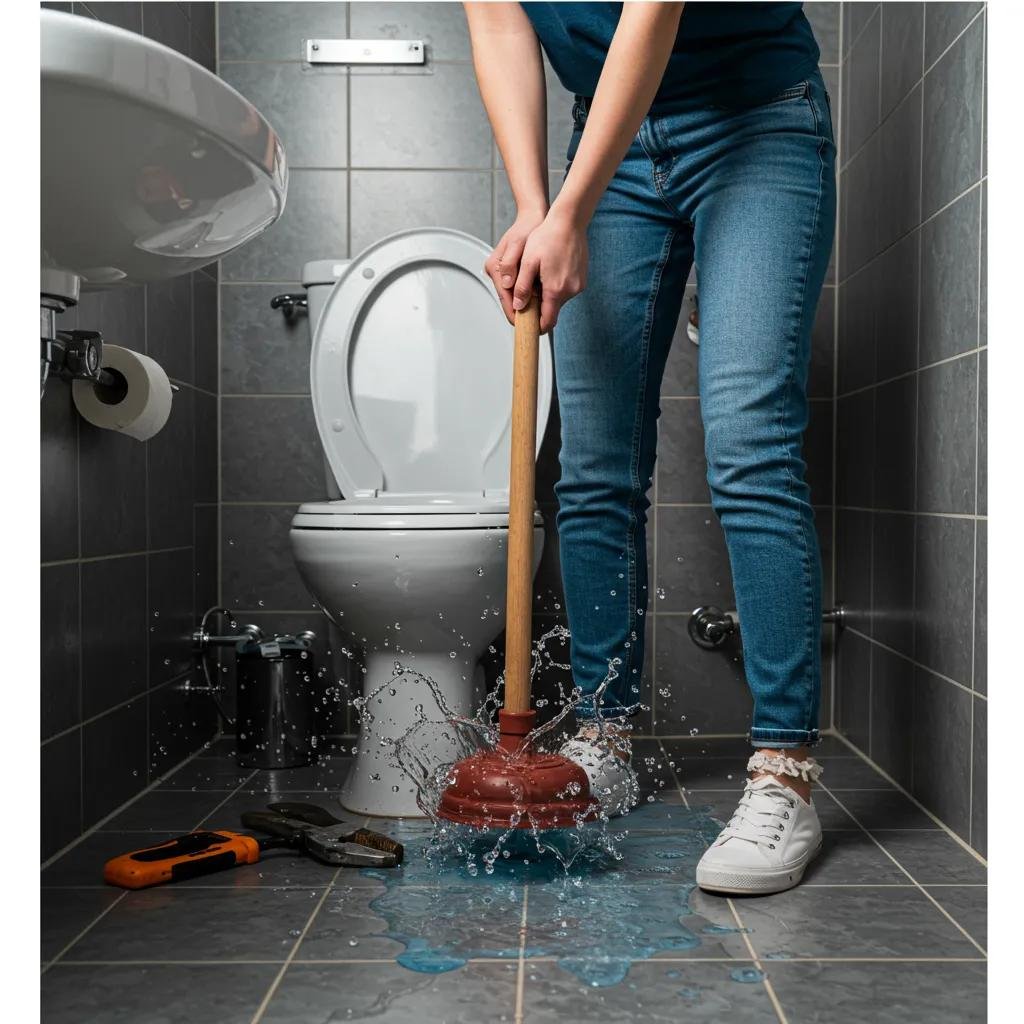
Swift Solutions for Toilet Overflows An overflowing toilet is an urgent plumbing emergency that can cause immediate water damage, contamination, and structural risk if not stopped and repaired quickly. This guide teaches you how to stop a toilet from overflowing right away, diagnose common causes such as clogs, faulty tank parts, or main sewer issues, and decide when to escalate to professional emergency help. You will get clear, step-by-step HowTo actions for immediate control, a cause-to-symptom decision table, and practical cleanup and prevention strategies that reduce recurrence and long-term costs. The article also explains which scenarios require camera inspection, hydrojetting, or augering, and how fast-response emergency plumbing coordinates mitigation and repairs. Read on to learn immediate steps, cause diagnostics, clear rules for calling a 24-hour emergency plumber, the emergency services offered by Great American Plumbing & Drain Cleaning, prevention tips, cleanup protocols, and where to find reliable local emergency response in Broward and Palm Beach Counties. How Do You Immediately Stop a Toilet from Overflowing? Stopping an overflowing toilet immediately requires three coordinated actions: stop incoming water, prevent further bowl refill, and relieve pressure from the trap or drain. Turning off the shut-off valve halts water supply, manually closing the flapper prevents tank overflow into the bowl, and controlled plunging or bucket transfer can relieve standing water and help clear a minor clog. These measures reduce water damage and contamination risk while you assess whether a professional intervention is needed. The sequence below is optimized to buy time safely and limit structural or sanitary consequences. How to Turn Off the Water Supply Valve to Prevent Flooding Locate the toilet shut-off valve near the base or behind the toilet and rotate it clockwise until it stops; this closes the water feed and prevents additional water filling the tank or bowl. If the valve is stiff, use an adjustable wrench on the valve stem and turn slowly to avoid breakage; if the valve fails or there is no local shut-off, close your home’s main water supply immediately to stop flow. Turning off the valve reduces ongoing overflow and gives time to work on the clog or wait for professional help. After stopping the water flow, check the tank to confirm it is no longer refilling before attempting plunging or opening the tank lid. What Is the Best Way to Manually Close the Toilet Flapper? Open the toilet tank lid carefully and identify the flapper, which covers the flush valve at the bottom of the tank; press the flapper down and hold it closed or pinch the chain to keep it seated until the bowl level stabilizes. Manual closure prevents additional water from entering the bowl from the tank and can stop an active overflow while you prepare to plunge or call for help. Use caution to avoid dropping the lid or tools into the tank, and never force components that are corroded or brittle. Holding the flapper closed is a temporary tactic; if flapper failure caused the problem, plan a replacement or professional diagnosis. How Can You Use a Plunger to Clear Minor Toilet Clogs? A flange plunger creates a seal over the bowl outlet so you can generate direct pressure to dislodge soft or localized clogs; position the flange to fill the trap opening, push down gently to expel air, then pump in controlled strokes rather than violent blows. Test progress every 10–15 pumps by lifting the plunger slightly to let water move; successful plunging will gradually lower the bowl level and clear the obstruction. If water continues to rise, stop plunging to avoid splashing contaminated water and move to shut-off or call an emergency plumber. Correct plunging relieves minor blockages and reduces the need for mechanical tools, but it is ineffective for downstream or severe mainline clogs. When Should You Avoid DIY and Call a Professional Plumber? Avoid DIY and contact a professional immediately if you detect sewage smells, multiple fixtures backing up, inability to stop inflow, or if plunging fails after multiple careful attempts. These red flags suggest a deeper blockage, main sewer line issue, or mechanical failure that requires tools like a camera inspection, auger, or hydrojet to diagnose and clear safely. Professionals also reduce water-damage risk by containing contamination and advising on restoration steps. If you need urgent response, contact a local 24/7 emergency plumbing service; for example, Great American Plumbing & Drain Cleaning provides rapid dispatch for overflow emergencies and can mobilize technicians to secure the scene and begin diagnostics. What Are the Most Common Causes of Toilet Overflow and Flooding? Toilet overflow typically stems from a small set of root causes: localized clogs in the toilet trap or drain line, mechanical failures inside the tank (flapper, fill valve), main sewer line blockages, or vent pipe obstructions that impede drainage airflow. Each cause produces distinct symptoms—gurgling or multiple fixture backups point to sewer or vent issues, while continuous running suggests a tank component failure—so matching symptoms to cause speeds correct remediation. Understanding these mechanisms helps you prioritize safe immediate actions and select the right professional remedy when necessary. Different causes produce predictable symptoms and require targeted responses. Cause Typical Symptoms Immediate DIY Response / Professional Solution Severe clog (toilet trap or local drain) High bowl water level, slow or no flush Try controlled plunging; if unsuccessful, call a pro for augering Faulty fill valve or flapper Constant running, tank overfilling, repeated overflow Close shut-off valve and hold flapper; replace parts or call technician Main sewer line blockage Multiple fixtures backing up, sewage odor Avoid flushing; call for camera inspection and hydrojetting Blocked plumbing vent pipe Gurgling, slow drainage, sewer smell after flush Temporary mitigation inside; rooftop vent clearing by professional This table clarifies when a simple DIY step suffices and when specialist equipment and diagnostics are required to restore safe operation. How Do Severe Clogs and Blockages Lead to Toilet Overflow? Severe clogs trap waste or foreign objects beyond the toilet trap, preventing normal flow into the drain and causing water to rise in the