A drain that keeps backing up is more than an inconvenience. Water may collect in the sink, a toilet may overflow or an unpleasant smell may spread through the house. Clearing the immediate blockage can help, but repeated problems often mean something deeper needs attention.
Common causes include grease buildup, hair, objects stuck in pipes, tree roots and damaged sewer lines. Backflow is a separate plumbing concern that can put your clean water supply at risk when a prevention device fails. Understanding the difference helps you get the right service instead of treating the same problem over and over.
The cause often depends on which drain is affected, how frequently the problem occurs and whether other fixtures are showing similar symptoms.
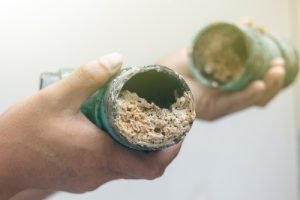
Kitchen and bathroom drains collect material over time. Cooking grease can cool and stick to pipe walls, while hair, soap residue and food scraps can combine to form stubborn blockages. A single slow drain may point to a clog close to the fixture. If the same drain keeps slowing down after cleaning, buildup farther inside the pipe may be responsible. To reduce the risk, avoid pouring grease into the sink, use drain screens where practical and dispose of food scraps in the trash rather than washing them down the drain.
Tree roots can enter underground sewer pipes through cracks, loose joints or damaged connections. As roots grow inside the line, they can trap waste and restrict water flow. Recurring backups, gurgling sounds or problems affecting several fixtures may indicate a sewer line issue. A professional camera inspection can help identify roots, cracks and other obstructions without relying on guesswork.
Your home’s main sewer line carries wastewater away from multiple fixtures. If the line becomes blocked, damaged or partially collapsed, several drains may begin acting up around the same time.
Watch for warning signs such as-:
These symptoms do not prove the main sewer line has failed, but they warrant prompt inspection. Avoid repeatedly flushing toilets or running large amounts of water if sewage is backing up into the property.
Pipes need to be installed and maintained so wastewater can flow toward the sewer or septic system. A sagging pipe, damaged connection or incorrectly installed section can allow waste to collect instead of draining away properly. Chemical drain cleaners are unlikely to resolve structural problems. A plumber can inspect the affected line and determine whether cleaning, repair or replacement is appropriate.
Sometimes the problem is limited to one fixture. A clogged toilet trap, blocked sink drain or malfunctioning garbage disposal can prevent water from draining normally. The location of the backup is useful information. If only one fixture is affected, the blockage may be local. If several fixtures are affected, the problem may be farther down the drainage system. A plumber can narrow down the cause before recommending a repair.
No. The terms describe different problems and knowing the distinction matters.
A drain backup occurs when wastewater cannot flow away through the drainage system as it should. A blockage, damaged sewer line or other drainage problem may cause water or sewage to return through a fixture.
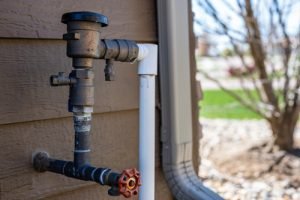
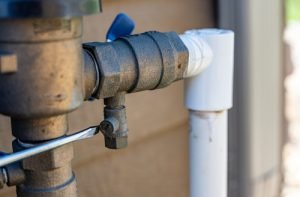
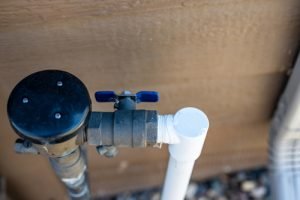
Backflow occurs when water reverses direction in a potable water supply system, potentially allowing contaminated water to enter the clean water supply through a cross connection. A backflow prevention device helps stop that reversal.
For example, a blocked kitchen drain may need drain cleaning, while a faulty backflow preventer connected to an irrigation system may need testing or repair.
Backflow testing does not clear a clogged sewer pipe. Likewise, clearing a drain does not confirm that a backflow prevention device is working correctly. The appropriate service depends on the problem.
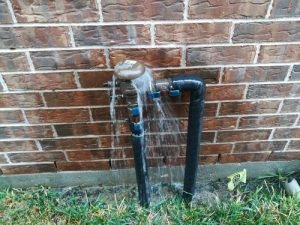
Backflow prevention devices can develop worn or damaged components over time. If a device does not operate as intended, contaminated water may enter the clean water supply.
Testing checks whether the device is functioning properly. Depending on the property, local water authority requirements may also call for periodic testing, certification and documentation. A professional backflow test generally involves checking the installed prevention assembly with suitable testing equipment. If the device fails, repairs or replacement may be needed, followed by any required retesting and certification. Property owners should check the requirements that apply to their location and type of system rather than assuming every property follows the same rules.
Consider arranging a test when-:
Great American Plumbing & Drain Cleaning provides backflow testing, inspection, repair and installation services in Broward and Palm Beach counties. Learn more about its backflow testing services.
Repeatedly clearing a drain without identifying why it keeps clogging can lead to more service calls and continued disruption. A professional assessment helps determine which part of the system needs attention.
Professional drain cleaning removes blockages caused by grease, hair, soap residue and other debris. The method depends on the location and type of blockage. For a straightforward clog, a suitable mechanical tool may be enough. More stubborn buildup or certain sewer line obstructions may require specialized equipment.
You can explore sewer and drain cleaning services to learn about options for blocked drains.
A camera inspection allows a plumber to look inside an accessible drain or sewer line. It can help locate root intrusion, buildup, cracks and other visible problems.
This is particularly useful when backups return after cleaning or when multiple fixtures show symptoms. The findings help guide the next step instead of assuming that every blockage has the same cause.
Hydro jetting uses high pressure water to remove certain types of buildup from suitable pipes. It can be useful for stubborn grease and debris, but it is not appropriate for every plumbing system or damaged pipe.
A plumber should assess the pipe’s condition before recommending this method.
If an inspection identifies a cracked, collapsed or otherwise damaged sewer line, cleaning alone may not resolve the issue. Depending on the findings, repair or replacement may be necessary.
A clear explanation of the problem and the available options helps property owners make an informed decision before work begins.
When the concern involves a backflow prevention assembly, a qualified professional can test its operation and determine whether repair or replacement is needed.
This service protects the potable water supply. It should be considered separately from drain cleaning, even when a property needs both types of plumbing work.
Good daily habits can reduce common blockages, although they cannot prevent every sewer line problem.
Avoid using repeated chemical treatments to solve persistent problems. Some products can damage certain plumbing materials and they will not correct a broken or collapsed pipe.
If wastewater is entering your home, stop using affected fixtures and contact a plumber promptly. Keep people and pets away from sewage and avoid direct contact with contaminated water.
Plumbing needs can differ from one property to another, but the first step is the same-: identify the problem and choose the service that addresses it.
Homeowners and businesses looking for backflow testing Hollywood FL can contact Great American Plumbing & Drain Cleaning for information about backflow inspections, testing and related services. Its Hollywood plumbing service page also covers drain cleaning, sewer services and other plumbing repairs.
If you need backflow testing Davie, check whether your device is due for testing and what documentation your local water authority requires. Great American Plumbing lists Davie among the communities it serves through its South Florida backflow and plumbing services.
When comparing a backflow testing company Sunrise FL, ask whether the technician is qualified to test your device, whether the service includes the required documentation and whether any local permit or utility fees apply.
Great American Plumbing provides backflow services in Sunrise, FL, including testing, certification, repair and installation.
A drain that backs up repeatedly needs more than another temporary fix. The cause may be a local clog, a main sewer line obstruction or damaged piping. Backflow testing addresses a different concern-: whether a prevention device is working properly to protect the clean water supply.
Great American Plumbing & Drain Cleaning offers plumbing, drain cleaning, sewer inspection and backflow services across Broward and Palm Beach counties. If your drains keep backing up or your backflow device is due for testing, visit the company’s website or call (954) 578-1080 to discuss the issue and arrange the appropriate service.
We regularly post on our blog section, so feel free to checkout all the articles and gain some knowledge.
Great American Plumbing and Drain Cleaning, Inc. © 2026