Fort Lauderdale doesn’t get four seasons, but your plumbing still has a busy calendar. Summer downpours, hurricane season, fall king tides and the occasional winter cold snap each stress a different part of your system. Knowing what to check and when can keep a small problem from turning into a flooded floor.
The riskiest stretch runs from May through November. Rain, storms and high tides all push water toward your drains and sewer line during those months, so that’s when to keep drains clear, know where your main shutoff is and watch for slow drains. The cooler, drier months are the best time for inspections and repairs.
The South Florida rainy season officially runs from May 15 to October 15 and brings about 70% of the area’s yearly rainfall, according to the National Weather Service in Miami. The stormiest weather usually arrives between mid-May and early July.
Most of that water is supposed to leave your property through gutters, downspouts and yard drains. When those are clogged, water collects near the house instead. Inside, a slow drain during heavy rain can mean your main drain line is already struggling. If a line is partly blocked or damaged, a wet summer is often when it shows.
Before the season starts-:
The Atlantic hurricane season runs from June 1 through November 30. Plumbing rarely makes the preparedness list, but it should. Florida emergency officials advise every household to know how to shut off water, gas and electricity at the main switches and valves, and to keep any tools you would need close to the shutoff valves.
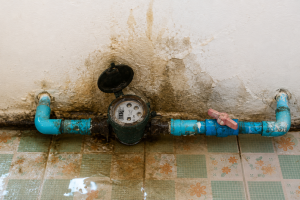
Test your main water shutoff valve now, while nothing is wrong. Turn it off and back on gently. If it’s stuck, leaks around the handle or won’t close all the way, have a plumber replace it before a storm. A valve that won’t close is a bad surprise when a pipe breaks.
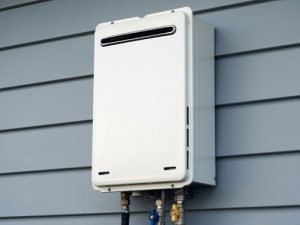
After a storm, if floodwater reached your water heater, don’t turn it back on until a licensed professional has checked it.
Fort Lauderdale is low and crisscrossed by waterways. The city says its highest tides typically come in September, October and November, and that king tides combined with rain and rising seas raise the flooding risk in low-lying areas. When tides run very high, water can come up through storm drains instead of going down them, as it did along State Road A1A in Broward County during the October 2025 king tides.
What that means for your plumbing-:
The CDC warns that flood water may contain sewage, so treat it as contaminated and keep children out of it.
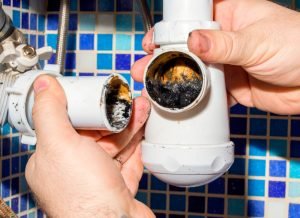
Watch for the signs of a sewage backup: foul odors from drains, slow drainage in sinks and showers, and gurgling toilets, according to University of Florida IFAS Extension. If you notice them:
Then call a plumber. A camera inspection can show whether the problem is in your line or somewhere else, and our fort lauderdale plumbing offer 24/7 emergency service.
The dry season runs from mid-October through mid-May, which makes it the best window for the work you don’t want to do during a storm. Have a plumber check for hidden leaks with leak detection, replace worn shutoff valves and look at your water heater. Our guide to how long a water heater should last can help you judge whether yours is due. If you suspect a slow leak, our post on hidden water leaks in Fort Lauderdale lists the warning signs.
Freezing weather is rare here, but it isn’t unheard of. A cold snap in early 2026 pushed Fort Lauderdale down to 35 degrees, which the National Weather Service in Miami called the coldest snap since 2010, and officials urged residents to protect pets, plants and pipes. A few cheap steps are enough. Wrap exposed outdoor pipes and spigots. On the coldest nights, let a faucet drip slightly and open the cabinet doors under sinks so warm air reaches the pipes.
A simple routine covers most of this: one check in May, before the rainy and hurricane seasons start, and one in the cooler months to fix whatever the storms exposed.
If you want a licensed plumber to look at your drains, shutoff valve, water heater or backflow assembly, Great American Plumbing & Drain Cleaning, Inc. serves Fort Lauderdale and the rest of Broward and Palm Beach counties. Call (954) 578-1080
We regularly post on our blog section, so feel free to checkout all the articles and gain some knowledge.
Great American Plumbing and Drain Cleaning, Inc. © 2026