

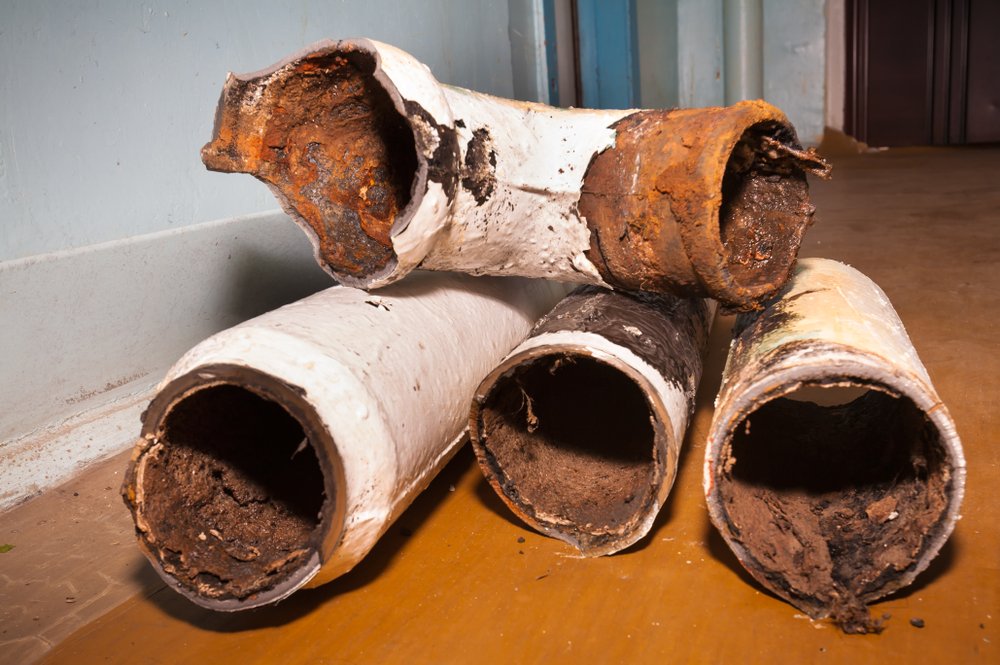
Cast Iron Pipe Replacement and Root Intrusion Solutions for Older Homes in Tamarac, FL If you own an older home in Tamarac, there’s a good chance you’ve spent time updating kitchens, bathrooms, flooring, or landscaping. But there’s one part of your home that’s easy to overlook because you can’t see it—the sewer pipes buried underground. Many homes built before the 1980s still have their original cast iron sewer pipes. While cast iron was considered one of the best plumbing materials at the time, it wasn’t designed to last forever. After decades of carrying wastewater, exposure to moisture, and constant contact with South Florida’s soil, these pipes begin to wear out. Small cracks, corrosion, and tree root intrusion can slowly turn into expensive plumbing problems if they aren’t addressed early. The good news is that most cast iron pipe issues give homeowners warning signs before they become emergencies. Knowing what to look for can help you avoid unexpected sewer backups, costly property damage, and major disruptions to your daily routine. Why Older Tamarac Homes Are More Likely to Experience Cast Iron Pipe Problems If you own an older home in Tamarac, there’s a good chance you’ve spent time updating kitchens, bathrooms, flooring, or landscaping. But there’s one part of your home that’s easy to overlook because you can’t see it—the sewer pipes buried underground. Many homes built before the 1980s still have their original cast iron sewer pipes. While cast iron was considered one of the best plumbing materials at the time, it wasn’t designed to last forever. After decades of carrying wastewater, exposure to moisture, and constant contact with South Florida’s soil, these pipes begin to wear out. Small cracks, corrosion, and tree root intrusion can slowly turn into expensive plumbing problems if they aren’t addressed early. The good news is that most cast iron pipe issues give homeowners warning signs before they become emergencies. Knowing what to look for can help you avoid unexpected sewer backups, costly property damage, and major disruptions to your daily routine. What Happens to Cast Iron Pipes Over Time? Unlike newer PVC pipes that resist corrosion, cast iron naturally breaks down as it ages. In many cases, homeowners don’t need a complete replacement right away. If the pipe is still structurally sound, professional Cast Iron Sewer Line Descaling can remove years of rust, scale, and buildup from the inside of the pipe, restoring better flow and extending the life of the plumbing system before replacement becomes necessary. Inside the pipe, years of wastewater create moisture and gases that slowly corrode the metal. The once-smooth interior becomes rough, allowing grease, soap residue, and debris to stick to the pipe walls. As buildup increases, drains become slower and clogs become more frequent. At the same time, the outside of the pipe is constantly exposed to moisture and soil conditions. As corrosion weakens the pipe, small cracks or separated joints can develop. These tiny openings may seem insignificant at first, but they create an opportunity for one of the biggest plumbing threats in South Florida—tree roots. Why Tree Roots Love Sewer Pipes Tree roots don’t actually search for pipes. They’re searching for water. Even a small crack or loose pipe joint releases tiny amounts of moisture into the surrounding soil. Roots naturally grow toward that moisture, eventually finding their way inside the sewer line. Once they’re inside, they continue growing. What starts as a few thin roots can eventually become a dense mass that traps toilet paper, grease, and other debris moving through the pipe. This restricts wastewater flow and increases the likelihood of recurring clogs and sewer backups. In Tamarac, mature oak trees, ficus trees, palms, and other established landscaping can have root systems that extend far beyond the visible canopy. Even if the tree isn’t directly above your sewer line, its roots may still reach the pipe over time. Common Signs Your Cast Iron Sewer Line May Be Failing Many homeowners assume slow drains or recurring clogs are simply part of owning an older home. In reality, they can be early warning signs that your sewer line needs professional attention. Watch for symptoms like: Drains throughout the house emptying more slowly than usual. Frequent toilet backups or repeated drain clogs. Gurgling sounds coming from sinks, tubs, or toilets. Unpleasant sewer odors inside or outside your home. Wet or unusually green patches of grass in your yard. Water backing up into showers or tubs after flushing a toilet. These problems often start small and become more severe over time. Ignoring them usually leads to larger repairs and higher costs later. Don’t Assume Every Drain Problem Is Just a Simple Clog One of the biggest mistakes homeowners make is repeatedly using drain cleaners or scheduling routine drain cleaning without finding the actual cause. For example, you might notice your kitchen sink clogging every few months. The clog clears temporarily, but it always comes back. In many cases, the blockage isn’t inside the drain itself—it’s deeper in the main sewer line where deteriorating cast iron or invading tree roots are restricting the flow. Instead of guessing, professional plumbers use sewer camera inspections to see exactly what’s happening inside the pipe. A high-resolution camera travels through the sewer line, revealing corrosion, root intrusion, cracks, offsets, or collapsed sections without unnecessary digging. This inspection provides a clear picture of your plumbing system and helps determine whether a simple repair, routine maintenance, or a complete cast iron pipe replacement is the most cost-effective solution. Repair or Replace? Choosing the Right Solution for Your Sewer Line Finding out your cast iron pipes are failing doesn’t always mean your entire plumbing system has to be replaced immediately. The right solution depends on the condition of the pipe, the extent of the damage, and your long-term plans for the home. A professional sewer camera inspection can identify exactly where the problem is and help you choose the most practical option. Traditional Cast Iron Pipe Replacement If the sewer line has widespread corrosion, multiple