

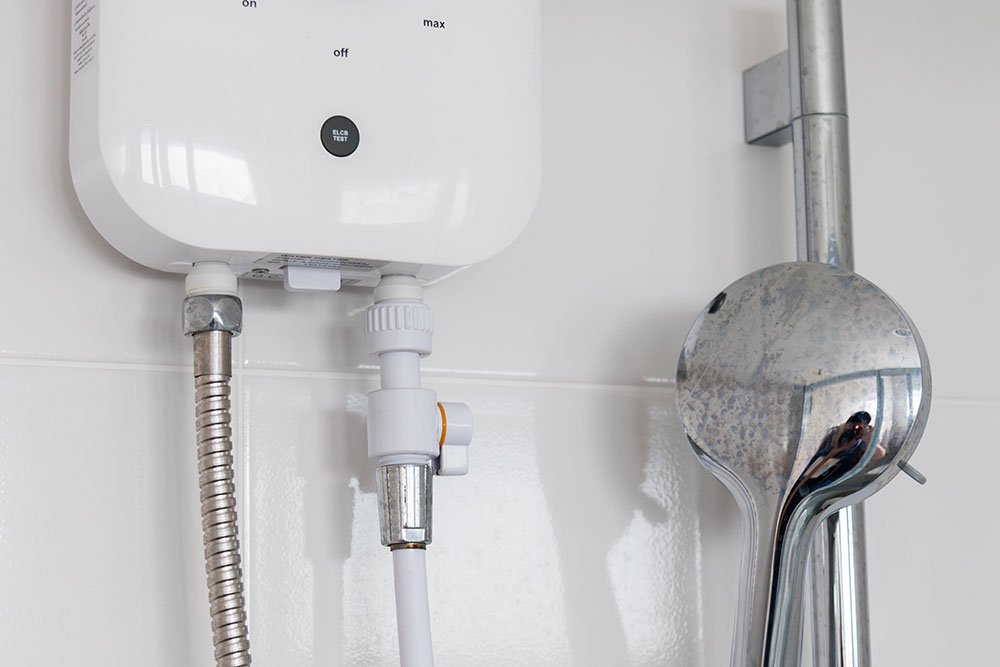
The Benefits of Upgrading to a Tankless Water Heater in Hollywood, FL Running out of hot water in the middle of a shower can be frustrating, especially when several people in your home need to use it throughout the day. If your current water heater struggles to keep up, takes up too much space or needs frequent repairs, a tankless model may be worth considering. For homeowners looking for a water heater in Hollywood, FL, tankless systems offer a different way to heat water. Instead of storing hot water in a large tank, they heat it as water passes through the unit. This can reduce standby energy loss, free up space and provide a steady supply of hot water when the system is sized correctly. Before making the switch, it helps to understand the benefits, installation requirements and ongoing maintenance involved. How Does a Tankless Water Heater Work? A traditional water heater keeps a tank of water heated until someone needs it. A tankless water heater works on demand. When you turn on a hot water tap, water flows through the unit and passes a heating element or heat exchanger. The system heats the water as it moves through, then sends it to the faucet or appliance. Because it does not store a large volume of hot water, the unit avoids the standby heat loss associated with a storage tank. However, tankless systems have limits. The amount of hot water they can deliver depends on the model, incoming water temperature and the number of fixtures running at once. Choosing the right size is essential for reliable performance. 5 Benefits of Upgrading to a Tankless Water Heater in Hollywood, FL 1. A More Consistent Supply of Hot Water One of the biggest advantages of a tankless system is that you do not have to wait for a storage tank to refill and reheat after it runs out. This can be useful in households where family members shower one after another or where hot water is needed throughout the day for laundry, dishes and bathing. There is one important detail to keep in mind. A tankless unit can supply hot water continuously within its rated capacity, but it may struggle if too many fixtures run at the same time. Proper sizing helps prevent unexpected drops in hot water flow or temperature. 2. Potential Energy Savings Traditional storage water heaters use energy to keep stored water hot, even when nobody is using it. Tankless systems heat water when there is demand, reducing this standby energy loss. The actual savings depend on your current water heater, fuel source, household usage and the efficiency of the replacement model. A tankless unit does not automatically guarantee a lower utility bill, so compare operating costs before making a decision. 3. More Usable Space A traditional water heater needs enough floor space to accommodate its storage tank. Tankless units are much smaller and are often mounted on a wall, depending on the model and installation requirements. That can free up useful room in a garage, utility area or other approved installation location. Before choosing a location, have a plumber check the manufacturer’s clearance requirements, ventilation needs and access for future servicing. A compact unit still needs to be installed in a suitable space. 4. A Potentially Longer Service Life Tankless water heaters can last longer than conventional storage tank models. ENERGY STAR notes that certified gas tankless models have an expected life of around 20 years, although actual service life depends on the equipment, water conditions, installation and maintenance. A longer service life may make a tankless system appealing to homeowners planning to stay in their homes for several years. Still, the unit’s purchase price, installation costs and maintenance requirements matter. Compare the total expected cost over its useful life rather than looking at lifespan alone. 5. Less Dependence on a Large Storage Tank A conventional water heater can develop a leak from its storage tank as it ages or corrodes. Tankless models do not have that large storage tank, so they eliminate the risk of a tank failure releasing a full tank of water into the surrounding area. This does not make a tankless water heater leak proof. Connections, valves, internal components and nearby plumbing can still develop leaks. Regular inspection and prompt repairs remain important. Is a Tankless Water Heater Right for Your Hollywood Home? Tankless water heaters are not the best choice for every household. Before replacing your existing system, consider how your family uses hot water and what the installation will involve. Your Household’s Hot Water Demand Think about the busiest times of day in your home. If someone showers while the dishwasher and washing machine are running, the combined demand may exceed the output of a small tankless unit. A plumber can estimate the flow rate needed to serve your fixtures and help you choose a system that meets your household’s needs. Your Existing Gas or Electrical Supply Switching from a traditional tank to a tankless system may require changes to the existing setup. Depending on the model, the work could involve gas line capacity, electrical service, venting, condensate drainage or water connections. These requirements can affect the final installation cost. Ask for an assessment of your existing connections before choosing a unit. Your Budget Tankless water heaters can cost more upfront than some conventional replacements, particularly when additional installation work is required. Compare the purchase price, labor, any necessary upgrades, expected energy use and routine maintenance. This will give you a clearer picture of the long term value. What Does Tankless Water Heater Installation Involve? A professional installation should begin with an assessment of your home’s hot water needs and existing plumbing. The process generally includes-: Evaluating your current system. The plumber checks the existing water heater, connections, available space and household hot water demand. Selecting the right unit. The system is sized according to the expected flow rate, temperature rise and fuel supply. Checking installation requirements. The plumber