Florida updates its building and plumbing codes every three years and the next update arrives at the end of December. If you own a home in Plantation and plan to remodel, replace a water heater or repair a sewer line soon, it helps to know what is changing and what is not.
You may see this update called the 2025 code in some places. The official name is the Florida Building Code, Plumbing, 9th Edition (2026). This guide covers what it changes for homeowners and how to plan around it.
The edition currently in force is the 8th Edition (2023), which took effect on December 31, 2023. The 9th Edition (2026) takes effect on December 31, 2026. It updates the 8th Edition using the 2024 International Plumbing Code, along with Florida specific amendments.
For homeowners, timing matters most. Under Florida law, the code edition in effect on the date a permit application is filed governs that work for the life of the permit. A job permitted before the changeover generally follows the old rules and one filed after it follows the new ones. Local offices set their own transition details, so confirm the cutoff with the City of Plantation Building Department at (954) 797-2765 before you schedule a permitted job.
A new code edition does not make your current plumbing wrong overnight. In general, the code governs new and permitted work, so the pipes, fixtures and water heater already in your home are not automatically out of compliance. The changes matter when you renovate, replace equipment or repair major parts of the system, because that work has to meet the edition in force when it is permitted.
The Florida Building Commission publishes a full analysis of changes between the two editions. Many of the changes are technical or apply mostly to commercial buildings. These are the ones most relevant to a home.
The maximum flow rate for showerheads drops from 2.5 gallons per minute to 2.0. Showerheads must also meet the high efficiency requirements in the referenced ASME and CSA standard. If you are updating a bathroom, expect new showerheads to use less water than older models. Our bathroom remodeling and plumbing fixture replacement work will follow whichever edition applies to the permit.
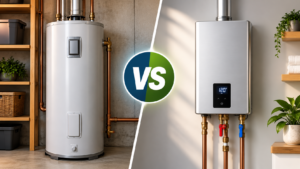
A new section requires water heaters that are part of the potable water system to comply with NSF 372 and have a weighted average lead content of 0.25 percent or less. This is a product requirement, so your installer is responsible for supplying a compliant unit. If you are weighing repair against replacement, our guide to water heater replacement in Plantation covers the practical side and our water heater installation page explains how we handle new units.
The update adds stainless steel tube as a recognised option for water distribution piping and adds reference standards for certain PEX and PE RT fittings. It also tightens how solvent cement joints are made on CPVC and PVC pipe and it requires that above ground mechanical couplings joining ABS or PVC pipe be a shielded type marked by the manufacturer for that use.
None of this is something a homeowner chooses directly. It is a good reason to hire a licensed plumber who works from the current code and pulls permits where they are required.
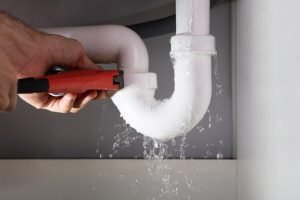
The 9th Edition removes the old section on relining building sewers and drains and replaces it with a new section on rehabilitation. It requires cure in place lining of building sewers and drains to follow ASTM F1216 or ASTM F1743. If a contractor suggests lining a damaged sewer line instead of digging it up, ask which standard the method follows. You can read more about your options on our sewer repair services page.
Two smaller changes are worth knowing. The code now clarifies that a bathtub overflow must discharge to the tub’s own trap and it removes the old minimum overflow diameter so that non round overflows are allowed. A new section also requires piping, fittings and supports to be protected from expansive soils, which mainly affects new construction and major additions.
There is no need to rush a project just to avoid the new edition, because the plumbing changes are modest for most homes. What matters is knowing which rules your contractor is working under. A few questions help.
Keep your permit paperwork and inspection records. They are useful when you sell the home and they show that the work met code at the time it was done.
The 2026 update is mostly about product standards, materials and methods and it will not change everyday life in most Plantation homes. It will affect the specifics of remodels, water heater installs and sewer repairs, which is where good planning saves time.
If you are thinking about a plumbing project and want to know which rules apply, call Great American Plumbing & Drain Cleaning, Inc. at (954) 578-1080 or reach us through our contact page. We can look at your plumbing, explain what the project involves and help you plan the permit timing.
We regularly post on our blog section, so feel free to checkout all the articles and gain some knowledge.
Great American Plumbing and Drain Cleaning, Inc. © 2026