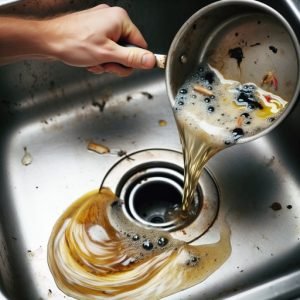
When it comes to disposing of used cooking oil, many people mistakenly believe that pouring it down the drain is a convenient and harmless option. However, this common practice can lead to serious plumbing issues and environmental problems. At Great American Plumbing & Drain Cleaning, your expert plumbers in Sunrise, FL, we want to highlight why you should never pour oil down the drain and provide you with safer disposal methods.
Clogged Pipes: Oil and grease can solidify as they cool, leading to blockages in your pipes. This buildup restricts water flow and can eventually cause severe clogs that are difficult to remove. Even if the oil seems to flow down easily, it can accumulate over time and create major plumbing problems.
Damage to the Sewer System: When oil enters the sewer system, it can combine with other substances, such as wipes and food particles, to form large, solid masses known as “fatbergs.” These fatbergs can cause significant blockages in municipal sewer lines, leading to backups and expensive repairs.
Environmental Impact: Pouring oil down the drain can have detrimental effects on the environment. Oil that makes its way into natural water bodies can harm aquatic life and contaminate water sources. Proper disposal of oil helps protect our local waterways and ecosystems.
Health Hazards: Blockages caused by oil and grease can lead to sewage backups in your home. This not only creates a foul odor but also poses health risks due to the potential presence of harmful bacteria and pathogens.
To avoid plumbing issues and environmental damage, follow these safe disposal methods for used cooking oil:
Let It Solidify: Allow the oil to cool and solidify. Once solid, you can scrape it into a container or directly into your trash. This method is especially useful for small amounts of oil.
Use a Container: Pour the cooled oil into a sealable container, such as an empty milk jug or a coffee can, and dispose of it in your regular trash. Make sure the container is tightly sealed to prevent leaks.
Recycling: Some areas have recycling programs that accept used cooking oil. Check with local recycling centers or waste disposal facilities in Sunrise, FL, to see if they offer this service.
Reuse: If the oil is still clean, consider reusing it for another cooking session. Strain the oil to remove any food particles and store it in a clean container for future use.
At Great American Plumbing & Drain Cleaning, we understand the importance of maintaining a healthy plumbing system. Our expert plumbers in Sunrise, FL, are here to help with any plumbing issues you may encounter, from clogged drains to sewer line maintenance. By avoiding harmful practices like pouring oil down the drain, you can protect your home and the environment.
If you’re experiencing plumbing problems or need professional advice, don’t hesitate to contact us. Our team of skilled plumbers is ready to provide reliable and efficient services to keep your plumbing system in top condition. Let us help you maintain a healthy home with our expert plumbing services in Sunrise, FL.
For more information or to schedule a service, call us at (954) 578-1080. Trust Great American Plumbing & Drain Cleaning for all your plumbing needs!
Great American Plumbing and Drain Cleaning, Inc. © 2026
what to do if you pour oil down the drain, can you pour oil down the drain, what happens if oil goes down the drain, can i pour cooking oil down the drain, can you put oil down the drain, is pouring oil down the drain bad, does vegetable oil clog drains, oil in drain, mineral oil in drains, can i put oil down the drain, oil down drain
Pouring used cooking oil down the drain not only harms your plumbing but also poses a significant threat to the environment. When oil enters the water system, it can contaminate local waterways, harming aquatic life and ecosystems. The oil can create a film on the water surface, reducing oxygen levels and affecting the health of fish and other organisms.
In addition to harming wildlife, the improper disposal of cooking oil contributes to pollution and can lead to costly clean-up efforts. Municipalities often spend millions of dollars annually to address the issues caused by fatbergs and other blockages in sewer systems, which can be avoided with proper disposal methods.
Many people believe that small amounts of cooking oil are harmless when poured down the drain. However, this misconception can lead to cumulative damage over time, as even small quantities can contribute to significant plumbing issues. It's essential to understand that every drop counts and that even minor actions can lead to major problems.
Another common myth is that hot water can dissolve oil and grease, allowing it to pass through pipes without causing issues. In reality, the oil can solidify as it cools, leading to clogs. Understanding these misconceptions is crucial for promoting better disposal practices and protecting both plumbing systems and the environment.
If you're looking for alternatives to simply throwing away used cooking oil, consider options such as composting or donating to local farms. Some farms accept used cooking oil for animal feed, which can be a sustainable way to recycle the oil. Always check with local regulations to ensure these practices are acceptable in your area.
Additionally, some companies have developed oil recycling programs where you can drop off used oil for proper processing. These programs not only reduce waste but also promote the recycling of cooking oil into biodiesel and other useful products, contributing to a more sustainable environment.
If you've accidentally poured oil down the drain and experience plumbing issues, it's crucial to know when to call a professional plumber. Signs of trouble include slow drains, gurgling noises, or unpleasant odors emanating from your plumbing. Ignoring these symptoms can lead to more severe problems down the line.
Expert plumbers can assess the situation and provide solutions such as drain cleaning or repairs to prevent further damage. At Great American Plumbing & Drain Cleaning, we emphasize the importance of addressing plumbing issues promptly to avoid costly repairs and maintain a healthy plumbing system.