A drain that keeps clogging can be more than a minor inconvenience. If water drains slowly, several fixtures back up, or the same blockage returns after cleaning, the problem may be deeper inside your plumbing system. Hydrojetting is one method plumbers use to clean drain and sewer lines. It uses specialized equipment to send pressurized water through pipes, helping remove grease, sludge, scale and other accumulated debris.
However, hydrojetting is not necessary for every clog. A plumber should first evaluate the blockage and the condition of the pipes to determine whether this method is appropriate. For homeowners and businesses across Broward County, understanding when hydrojetting makes sense can help you choose the right solution for recurring drainage problems.
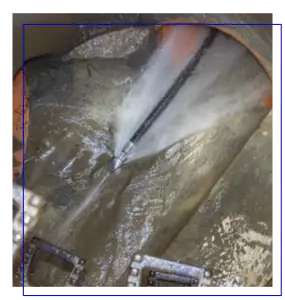
Hydrojetting, also called hydro jetting or high pressure water jetting, is a professional drain cleaning method. A plumber feeds a specialized hose and nozzle into an accessible drain or sewer line. Pressurized water then helps break apart buildup and flush debris through the pipe. Unlike a basic drain snake, which typically opens a path through a blockage, hydrojetting can clean accumulated material from more of the pipe’s interior surface. Depending on the pipe condition and the type of blockage, a plumber may recommend hydrojetting for residential drains, commercial plumbing systems and sewer lines.
Learn more about hydrojetting services in Broward and Palm Beach counties.
Hydrojetting is most useful when an inspection suggests that pressurized water can safely address the underlying buildup or obstruction. Here are several situations in which a plumber may recommend it.
If a drain works after cleaning but becomes blocked again a short time later, debris may still be coating the inside of the pipe. A drain snake can remove an obstruction without clearing all the material that contributed to it. Hydrojetting may help remove the remaining buildup and improve water flow. Before recommending it, a plumber should determine whether the recurring blockage comes from grease, scale, roots, a damaged pipe, or another cause.
Repeated clogs should not automatically be treated with more pressure. The underlying problem matters.
Kitchen drains can collect cooking grease, food particles, soap residue and other debris. Grease may stick to pipe walls and trap additional material, gradually restricting the flow of water. Hydrojetting can help remove substantial grease and sludge buildup from suitable pipes. This can be particularly useful for commercial kitchens and other properties with frequent drainage demands.
Avoid pouring cooking oil or grease down the sink, even when it is mixed with hot water. Grease can cool and accumulate farther down the plumbing system.
When several fixtures drain slowly at the same time, the blockage may be in a shared branch drain or the main sewer line rather than in an individual sink or shower. A plumber may use a drain inspection camera to locate the problem before choosing a cleaning method. If the line contains substantial debris or buildup and the pipe is in suitable condition, hydrojetting may help restore drainage. If wastewater is backing up into sinks, tubs, or floor drains, contact a plumbing professional promptly. Avoid using affected fixtures until the problem has been assessed.
Tree roots can enter sewer pipes through cracks, damaged joints, or other openings. Once inside, they can catch debris and contribute to recurring blockages. Hydrojetting may help remove some root material from a pipe, depending on the extent of the intrusion and the condition of the line. However, cleaning does not repair the crack or damaged joint that allowed roots to enter. A camera inspection can help determine whether the pipe needs further repair or replacement. Severe root intrusion or structural damage may require a different approach.
Restaurants, offices, retail buildings and other commercial properties can experience recurring drain issues because of frequent plumbing use. Grease, sediment and debris may accumulate over time. For suitable plumbing systems, hydrojetting can provide a more thorough cleaning than simply opening a single blockage. A plumber can assess the property’s drainage needs and recommend an appropriate maintenance schedule. The right schedule depends on how the plumbing is used, the type of waste entering the drains and the property’s history of blockages.
Although hydrojetting can be effective, high pressure water is not suitable for every pipe or blockage.
A plumber may recommend a different method when-:
This is why a professional evaluation matters. The goal is not simply to use the most powerful equipment; it is to identify the problem and select a method that suits the pipe and blockage.
Both methods can help clear clogged drains, but they work differently.
Drain snaking uses a flexible cable or auger to break through or retrieve an obstruction. It can be suitable for localized clogs caused by hair, paper, or other material.
Hydrojetting uses pressurized water to remove buildup and flush debris from the pipe. It may be more appropriate when grease, sludge, scale, or recurring deposits are affecting a longer section of the line.
Neither method is automatically the best choice for every situation. The type of blockage, pipe material, accessibility and condition of the plumbing should guide the decision.
The exact process depends on the property’s plumbing system and the location of the blockage. A typical service may involve several steps.
The pressure and equipment used should be selected for the pipe and the problem. Hydrojetting should be performed by a trained professional rather than attempted with improvised equipment.
Homeowners and businesses looking for plumbing services Coral Springs FL may need help with slow drains, recurring clogs, sewer backups, or other plumbing concerns. The cause is not always obvious from the symptoms alone. A blockage in one fixture may need a simple drain cleaning method, while repeated problems affecting multiple fixtures may call for a sewer line inspection.
Great American Plumbing & Drain Cleaning serves Coral Springs and surrounding Broward County communities. The team offers drain and sewer cleaning services and can evaluate whether hydrojetting is an appropriate option for your plumbing system.
Visit the Coral Springs plumbing services page to learn more about local service options.
Hydrojetting can remove accumulated debris, but everyday habits also play a role in keeping drains clear.
These steps cannot prevent every blockage, but they can help reduce avoidable buildup and make recurring problems easier to identify.
If your drains keep clogging, water backs up repeatedly, or grease and debris are restricting your sewer line, hydrojetting may be worth considering. The first step is to identify the cause and check whether your pipes are suitable for high pressure cleaning.
Great American Plumbing & Drain Cleaning provides plumbing and drain services across Broward and Palm Beach counties, including Coral Springs. The team can assess your drainage problem and explain the available options.
Call (954) 578 1080 or visit Great American Plumbing to request service.
Great American Plumbing and Drain Cleaning, Inc. © 2026