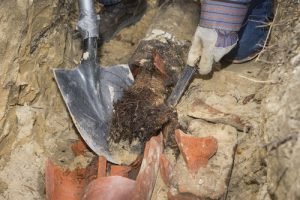
Root infiltration is a common issue in plumbing systems, often leading to clogs, backups, and even pipe damage. At Great American Plumbing & Drain Cleaning, we understand the challenges homeowners face when dealing with root intrusion. In this blog post, we’ll explore two effective methods for controlling roots in your plumbing: chemical root control and mechanical root control.
Chemical root control involves the use of specialized root-killing agents to inhibit root growth within your plumbing system. These products are typically applied directly to the affected pipes through access points such as cleanout openings or toilet drains. Once applied, the chemicals penetrate the pipe walls and target root intrusion, preventing further growth and reducing the risk of clogs and backups.
Benefits of Chemical Root Control:
1. Effective Root Inhibition: Chemical root control products contain powerful ingredients that effectively inhibit root growth within your plumbing system, helping to prevent future issues.
2. Convenient Application: Applying chemical root control products is a relatively simple process that can be performed by a professional plumber. The treatment is typically quick and requires minimal disruption to your daily routine.
3. Long-Lasting Results: Chemical root control treatments provide long-lasting results, with many products offering protection against root intrusion for several months to a year or more.
Mechanical root control involves physically removing roots from your plumbing system using specialized tools and equipment. Common methods include root cutting and root removal using mechanical augers or cutting blades. These tools are inserted into the affected pipes, where they effectively cut through and remove roots, restoring proper flow and function to your plumbing system.
Benefits of Mechanical Root Control:
1. Immediate Results: Mechanical root control methods provide immediate relief from root intrusion by physically removing roots from your plumbing system. This helps to quickly restore proper drainage and prevent further damage.
2. Customizable Solutions: Mechanical root control methods can be tailored to fit the specific needs of your plumbing system. Plumbers can adjust the size and type of cutting blades or augers to effectively address root intrusion in pipes of varying sizes and materials.
3. Environmentally Friendly: Unlike chemical treatments, mechanical root control methods do not rely on harsh chemicals or additives. This makes them a more environmentally friendly option for managing root intrusion in your plumbing system.
When it comes to managing root intrusion in your plumbing system, both chemical and mechanical root control methods offer effective solutions. The best option for your home will depend on factors such as the severity of the root intrusion, the type of pipes in your plumbing system, and your personal preferences.
At Great American Plumbing & Drain Cleaning, our team of experienced plumbers can assess your plumbing system and recommend the most appropriate root control solution for your needs. Whether you opt for chemical root control, mechanical root control, or a combination of both, you can trust us to provide prompt, professional, and reliable service that keeps your plumbing system flowing smoothly.
Ready to take control of root intrusion in your plumbing system? Contact Great American Plumbing & Drain Cleaning today to schedule a consultation. Our team is here to provide expert advice and personalized solutions to help you maintain a healthy and efficient plumbing system for years to come.
Great American Plumbing and Drain Cleaning, Inc. © 2026
root intrusion treatment
Root intrusion occurs when tree roots penetrate plumbing systems, leading to blockages and potential damage. This natural process is often exacerbated by the age and condition of the pipes, making it a significant concern for homeowners.
As roots seek moisture and nutrients, they can infiltrate cracks and joints in pipes, causing severe plumbing issues. Understanding the signs of root intrusion, such as slow drainage or frequent backups, can help homeowners take proactive measures to address the problem before it escalates.
Chemical root control is a popular method for managing root intrusion, utilizing specially formulated products to inhibit root growth. These treatments are designed to be effective and can provide long-lasting results, making them a preferred choice for many homeowners.
One of the key advantages of chemical root control is its ability to reach deep within the plumbing system, targeting roots that may be difficult to access through mechanical methods. Additionally, many chemical treatments can protect against future root growth for extended periods, ensuring the plumbing system remains clear and functional.
Mechanical root control involves the physical removal of roots from plumbing systems using specialized tools. This method is particularly effective for severe infestations where chemical treatments may not suffice.
By employing techniques such as root cutting or hydro-jetting, mechanical control can restore proper flow and function to plumbing systems. This method is also environmentally friendly, as it does not introduce chemicals into the plumbing system, making it a safe choice for homeowners concerned about chemical exposure.
Selecting the appropriate root control method depends on various factors, including the severity of the intrusion, the type of plumbing materials, and individual preferences. Homeowners should weigh the benefits and drawbacks of both chemical and mechanical methods to make an informed decision.
Consulting with a plumbing professional can provide valuable insights into the best approach for your specific situation. By understanding the unique characteristics of your plumbing system and the nature of the root intrusion, you can choose a solution that effectively addresses the problem while ensuring the longevity of your plumbing infrastructure.