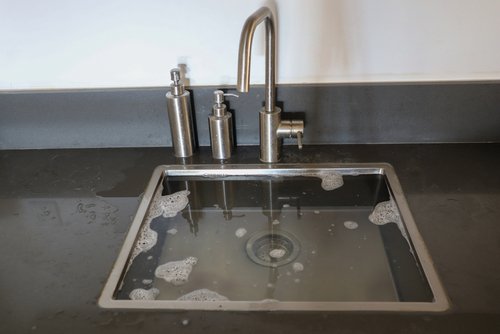
A slow kitchen sink, a shower that fills with standing water, or an unpleasant drain odor can quickly become frustrating. These problems may seem minor at first, but recurring drainage issues can indicate a blockage deeper in your plumbing system.
Professional drain cleaning helps remove accumulated debris and restore proper water flow when a blockage is present. Great American Plumbing & Drain Cleaning, Inc. helps homeowners address drainage problems with appropriate cleaning methods and practical plumbing solutions.
Understanding what causes drain clogs, recognizing warning signs, and knowing when to call a plumber can help keep your plumbing system working properly.
Everyday use can leave materials inside pipes that gradually restrict water flow. Common causes include:
Different blockages require different solutions. A simple sink clog may need a different approach from a recurring obstruction in a main sewer line.
Drainage problems do not always begin with a complete blockage. Watch for these common warning signs:
If several fixtures drain slowly at once, the problem may be farther along the drainage system. If sewage backs up into your home, stop using affected fixtures and contact a plumbing professional promptly.
When a blockage keeps returning, removing the immediate obstruction may not resolve the underlying cause. Professional drain cleaning can help address certain problems more effectively than repeated temporary fixes.
Plumbers use appropriate tools and techniques to clear blockages caused by grease, hair, soap residue, and other debris. The method depends on the obstruction and the condition of the pipes.
Removing material that restricts a pipe can help restore normal water flow, provided there are no additional plumbing problems.
Repeated blockages may indicate deeper buildup, an unsuitable drain configuration, or damaged pipes. A professional assessment can help determine whether cleaning or further investigation is needed.
For example, if a kitchen sink keeps clogging even after visible debris has been removed, the obstruction may be farther down the drain line and require further investigation.
Chemical drain cleaners may provide temporary relief but do not always resolve the cause of recurring clogs. Some products can damage certain pipes or plumbing components when used incorrectly.
Never mix different cleaning products, as dangerous reactions can occur. For persistent blockages, professional assessment can help identify an appropriate solution.
A few everyday habits can reduce common sources of drain buildup:
If a drain continues to clog despite these precautions, it may need professional inspection.
Consider contacting a plumber if clogs return frequently, multiple fixtures drain slowly, unpleasant odors persist, or water backs up into a sink, tub, or floor drain.
Depending on the problem, the solution may involve mechanical drain cleaning, specialized equipment, a sewer camera inspection, or repairs to damaged plumbing.
Great American Plumbing & Drain Cleaning, Inc. provides sewer and drain cleaning services to help homeowners address persistent drainage problems.
Your plumber will first ask about the symptoms, when the problem started, and whether one or several fixtures are affected. After assessing the accessible plumbing, they can recommend a suitable cleaning method.
Once the blockage has been addressed, the affected drain can be checked for proper flow. If pipe damage or a deeper sewer-line obstruction is suspected, additional inspection may be recommended.
Slow drains, recurring clogs, and unpleasant odors can disrupt your daily routine. Addressing these issues can help you understand the condition of your plumbing and determine the appropriate next step.
Great American Plumbing & Drain Cleaning, Inc. can help assess persistent drainage problems and explain available service options.
Call (954) 578-1080 to discuss your drain concerns and request service.
Great American Plumbing and Drain Cleaning, Inc. © 2026