

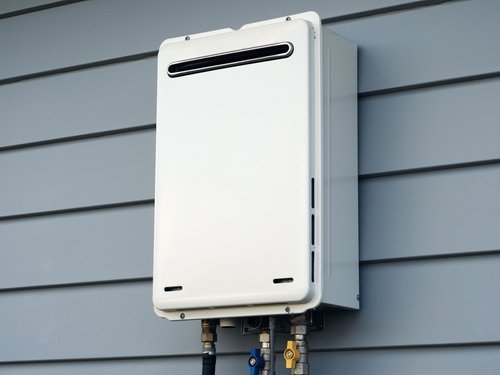
Your water heater is an essential part of your home, ensuring you have hot water for showers, cooking, and cleaning. But when it needs repairs, knowing whether you have an electric or gas water heater can make all the difference.
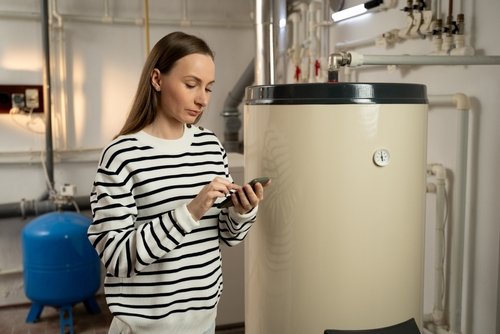
Your Go-To Guide for Water Heater Repairs in Plantation, FL
When your water heater starts acting up, it’s easy to panic. After all, hot water is something we often take for granted, from showers to dishwashing to laundry. I
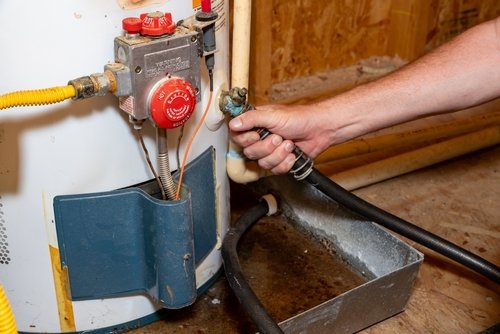
5 Common Signs Your Water Heater Needs Repairs in Plantation, FL
Your water heater is an essential part of your home’s comfort, providing hot water for showers, laundry, dishes, and more. But like any appliance, it can develop issues over time.
Why Sunrise, FL Residents Should Prioritize Water Heater Maintenance
Living in Sunrise, FL, means enjoying warm weather, sunny days, and a relaxed lifestyle. But one essential part of your home that often gets overlooked in this sunny paradise is your water heater
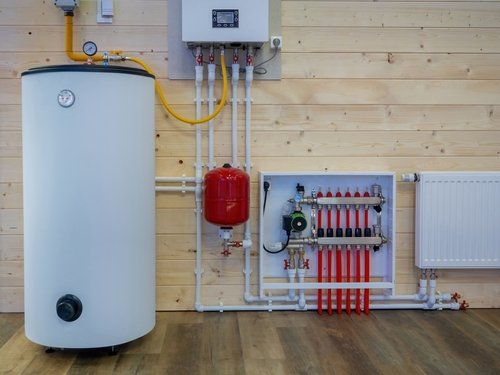
Save Money with Regular Water Heater Maintenance in Sunrise, FL
Your water heater works tirelessly to provide hot water for your daily needs, from showers to dishwashing. But did you know that regular maintenance can not only extend its lifespan but also save you money? I
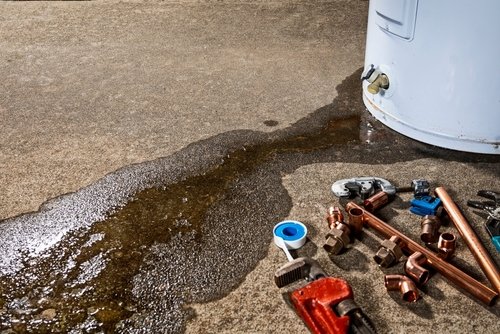
Why is My Water Heater Leaking?
Why Is My Water Heater Leaking? Common Causes and What to Do Next Have you discovered a puddle of water around your water heater? While it might seem like a small issue at first, a leaking water heater can quickly lead to water damage, mold growth, and expensive repairs if it’s ignored. The good news is that not every leak means you need a new water heater. In many cases, the problem could be something as simple as a loose connection or a faulty valve. However, leaks coming directly from the tank often indicate internal corrosion and usually require replacement. At Great American Plumbing & Drain Cleaning, we’ve helped homeowners throughout Sunrise, Florida diagnose and repair leaking water heaters. Here’s what could be causing the problem and what you should do next. What Should You Do First If Your Water Heater Is Leaking? Before trying to determine the cause, take a few simple safety precautions. Turn off the power to the water heater (electric breaker or gas supply). Shut off the cold water supply valve. Avoid standing water near electrical outlets or wiring. Dry the surrounding area if it’s safe to do so. Contact a licensed plumber if you’re unsure where the leak is coming from. Acting quickly can prevent significant water damage and may even save your water heater if the issue is caught early. 1. Loose Water Supply Connections One of the most common reasons a water heater leaks is a loose connection where the hot or cold water lines connect to the unit. These fittings naturally loosen over time because of constant heating, cooling, and vibration. Signs Water dripping from the top of the tank Moisture around pipe fittings Small puddles near the unit In many cases, tightening the connection or replacing a worn fitting is enough to stop the leak. 2. A Faulty Temperature & Pressure Relief (T&P) Valve The temperature and pressure relief valve is a critical safety component that protects your water heater from excessive pressure. If this valve begins leaking, it may indicate: Excessive water pressure Overheating A worn or defective valve Replacing the valve is often a straightforward repair, but it’s important to identify why the valve opened in the first place. 3. A Leaking Drain Valve The drain valve is located near the bottom of the tank and is used during routine maintenance to flush sediment. If it isn’t fully closed or has become damaged, water may slowly drip from the valve. Fortunately, this is often one of the easiest water heater leaks to repair. 4. Sediment Buildup Inside the Tank Over time, minerals naturally found in your water settle at the bottom of the tank. This sediment: Reduces heating efficiency Causes unusual noises Creates hot spots inside the tank Accelerates corrosion In South Florida, mineral buildup is a common reason water heaters experience premature wear. Regular flushing can significantly extend the life of your system. 5. Corrosion Inside the Tank If your water heater is more than 8–12 years old, corrosion may have begun eating away at the steel tank. Once the inner lining fails, tiny holes develop, allowing water to escape. Unfortunately, a corroded tank cannot be repaired. If the leak is coming directly from the tank, replacement is usually the safest and most cost-effective solution. 6. High Water Pressure Excessive water pressure places unnecessary stress on your plumbing system and water heater. When pressure becomes too high, the T&P valve releases water to protect the tank. Common signs include: Intermittent leaking Dripping relief valve No obvious damage to the tank A plumber can test your home’s water pressure and recommend a pressure-reducing valve if needed. 7. Cracks Caused by Thermal Expansion Every time your water heater heats water, the metal tank expands slightly. After years of repeated heating and cooling cycles, tiny cracks may begin forming. Unfortunately, once the tank itself cracks, replacement is the only reliable option. 8. Your Water Heater Has Reached the End of Its Life Traditional tank water heaters generally last between 8 and 12 years with proper maintenance. If your unit is: Over 10 years old Rusting Frequently leaking Producing rusty water Making loud popping noises it may be time to invest in a new, energy-efficient water heater. Modern units heat water more efficiently, lower energy costs, and provide improved reliability. Can You Still Use a Leaking Water Heater? It depends on the source of the leak. Small leaks from fittings or valves may not require immediate replacement, but you should still schedule repairs as soon as possible. If the tank itself is leaking, continuing to use the water heater can increase the risk of flooding and significant property damage. When in doubt, have a licensed plumber inspect the unit before continuing to use it. Repair or Replace? How to Decide Many homeowners ask whether they should repair or replace a leaking water heater. A repair is often possible when the leak comes from: Loose fittings Drain valve Temperature & pressure relief valve Replacement is usually recommended when: The tank is leaking Internal corrosion is present The unit is more than 10 years old Repairs approach the cost of a new water heater A professional inspection can help determine the most cost-effective solution. Why Homeowners in Sunrise Trust Great American Plumbing & Drain Cleaning When your water heater starts leaking, you need answers quickly. Our experienced plumbers provide fast, honest inspections and recommend only the repairs or replacements your system actually needs. Whether it’s a simple valve replacement or a complete water heater installation, we’re committed to helping homeowners restore reliable hot water with minimal disruption. Frequently Asked Question Why is my water heater leaking from the bottom Leaks at the bottom are often caused by a faulty drain valve, sediment buildup, or internal tank corrosion. A professional inspection can determine the exact cause Is a leaking water heater dangerous? Yes. A leaking water heater can lead to water damage, mold growth, and, in some cases, electrical hazards. If the leak is